
Movement can support health year-round, but very hot or humid weather changes what is safe. On extreme-heat days, reducing, moving or skipping outdoor exercise is a sensible health decision—not a loss of progress.
Check the forecast first
Look at the temperature, humidity, UV level, air quality and Bureau of Meteorology heatwave warnings. Bushfire smoke and poor air quality can make outdoor activity unsafe even when the temperature seems manageable.
Choose a cooler time or place
Move activity to early morning, a shaded route, an air-conditioned venue or another day. Indoor walking, gentle mobility or household movement can be enough when conditions are severe. Avoid outdoor exercise during the hottest part of the day.
Adjust intensity
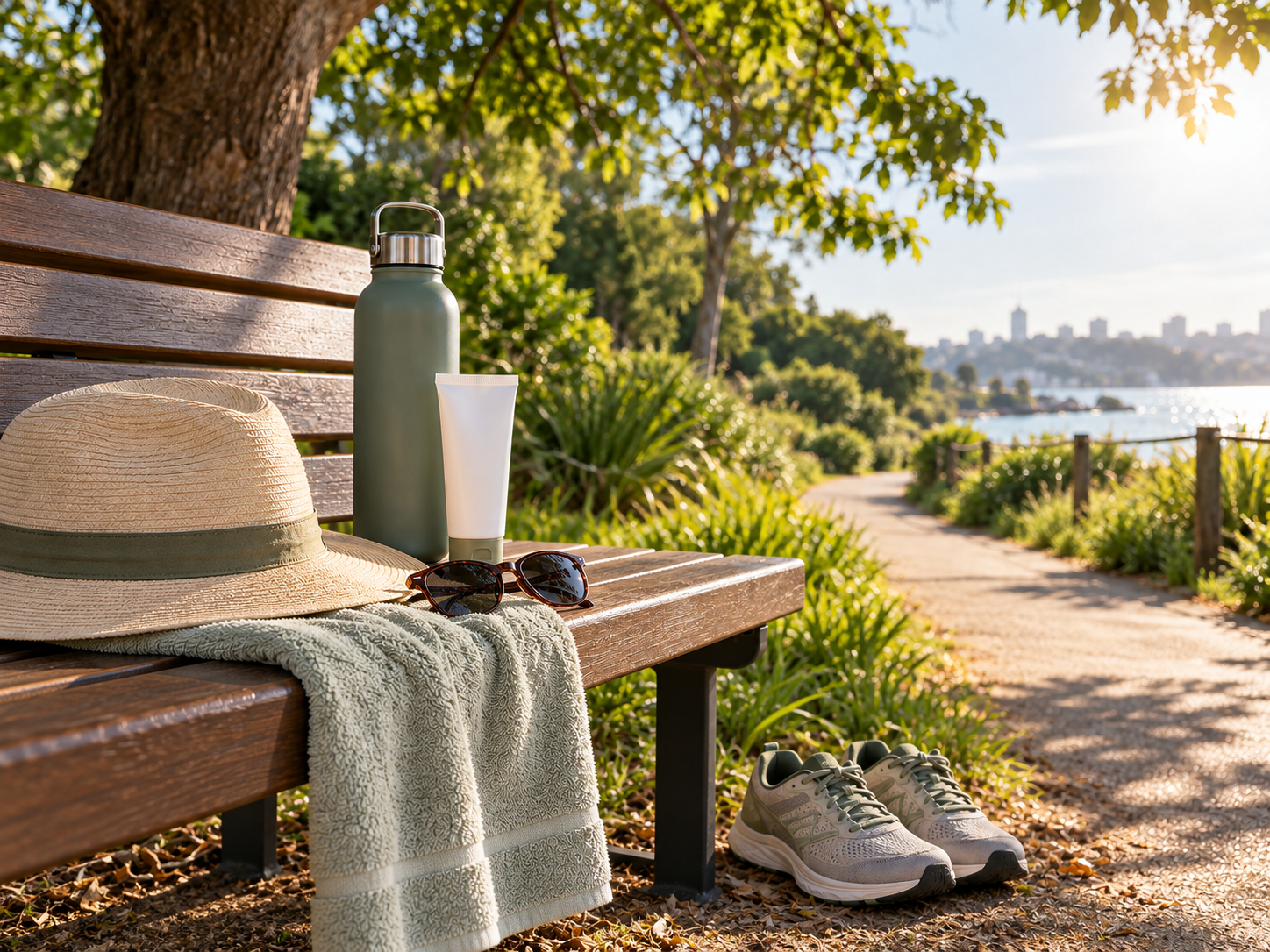
Heat raises the strain on your body. Slow down, shorten the session, take more breaks and choose loose, light-coloured clothing. Use sun-protective clothing, a hat, shade and sunscreen when outdoors.
Drink appropriately
Carry water and drink regularly. Longer or strenuous activity may require individual advice about fluids and electrolytes. If you have heart, kidney or liver disease, follow the fluid guidance from your treating clinician rather than general hydration advice.
Recognise heat illness early
Stop activity and move to a cool place if you develop thirst, headache, dizziness, nausea, weakness, cramps or unusually heavy sweating. Cool down and rehydrate. Seek medical advice if symptoms persist or worsen.
Heatstroke is an emergency. Call triple zero (000) for confusion, collapse, seizures, loss of consciousness, very hot skin or other severe symptoms. Begin cooling while waiting for help.
Build heat tolerance gradually
If you are not used to warm conditions, allow time to adapt and avoid setting performance targets during hot weather. People who are older, pregnant, very young, unwell, taking certain medicines or living with chronic conditions may need extra caution and medical advice.
Further information
- Healthdirect: hot weather risks and staying cool
- Healthdirect: heatstroke
- Better Health Channel: staying safe in extreme heat
This article provides general information and is not a substitute for individual medical or exercise advice.