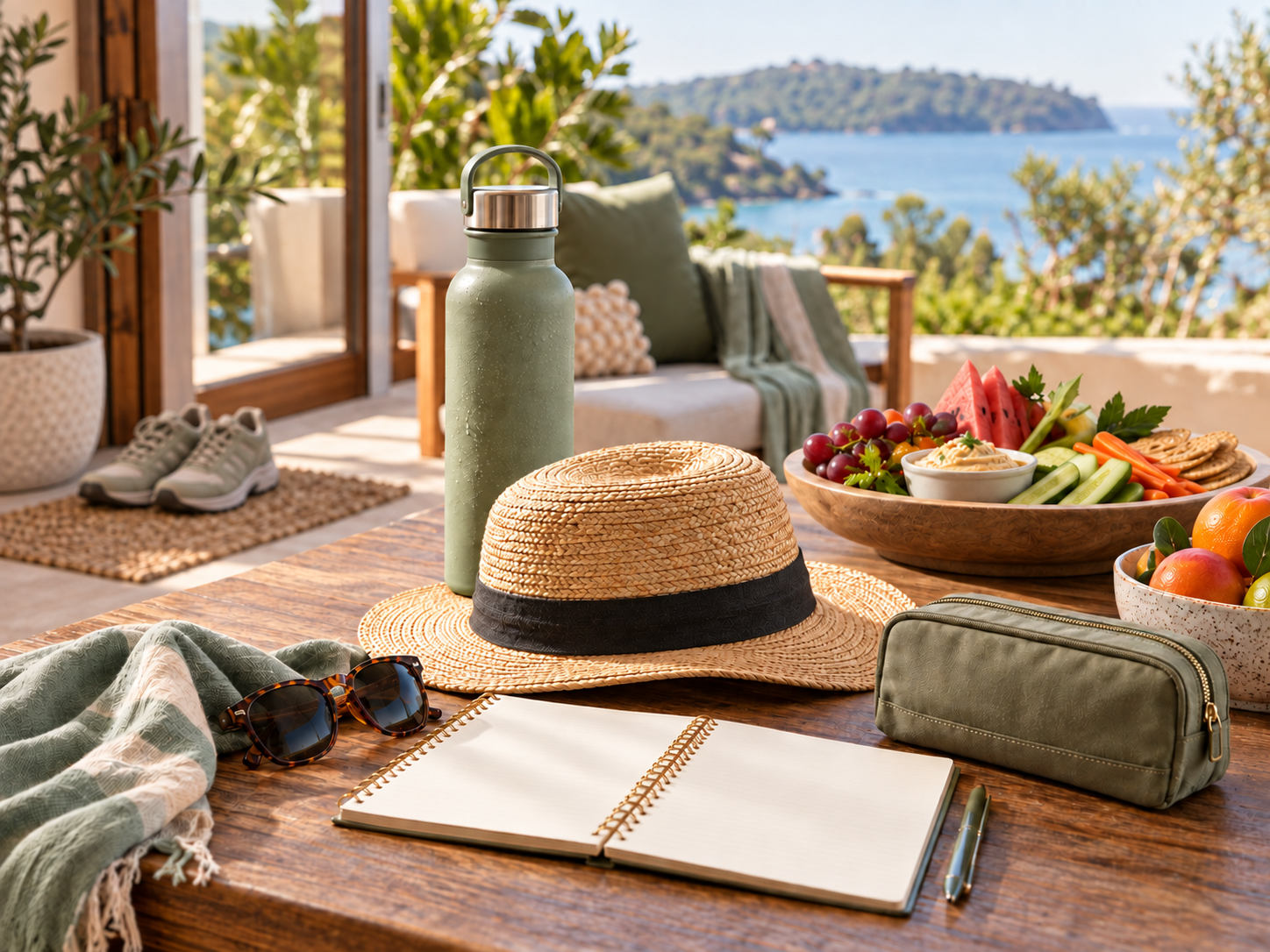

Holidays can change sleep, meals, movement and social routines. You do not need to follow your usual schedule perfectly. Keeping a few flexible anchors can support wellbeing while leaving room to rest and enjoy the occasion.
Choose two or three anchors
Decide which routines help you most, such as taking prescribed medicines on time, getting enough sleep, eating regular meals or going for a short walk. Protect those first and let less important habits be flexible.
Plan for energy, not perfection
A packed calendar can turn time off into another source of pressure. Leave some gaps between events, share practical tasks and decline invitations when you need rest. A quieter day is not a failed holiday.
Keep food and movement neutral
There is no need to compensate for celebration meals by skipping food or adding punishing exercise. Eat regularly, include foods you enjoy and notice hunger, fullness and comfort. Choose movement that fits the day—a walk with family, swimming where it is safe, or gentle stretching at home.
Look after sleep
Try to keep wake and sleep times within a comfortable range. Alcohol can make you sleepy initially but disrupt sleep later, and caffeine late in the day can make settling harder. Create a brief wind-down period when you can.
Prepare for travel and medicines
If you are travelling, carry enough regular medicine, keep it in its original packaging and check destination health advice. Overseas travel may require vaccinations or other preparation several weeks in advance. Ask your GP or pharmacist if you are unsure.
Return gradually
After the break, restart one routine at a time rather than trying to correct everything in one day. Consistency grows from repetition, and a few disrupted days do not erase the habits you have built.
Further information
- Healthdirect: creating healthy habits
- Healthdirect: sleep
- Healthdirect: healthy holiday tips
- Better Health Channel: holiday stress
This article provides general information and is not a substitute for individual health or travel advice.